
Lineage 2 recipes and crafting
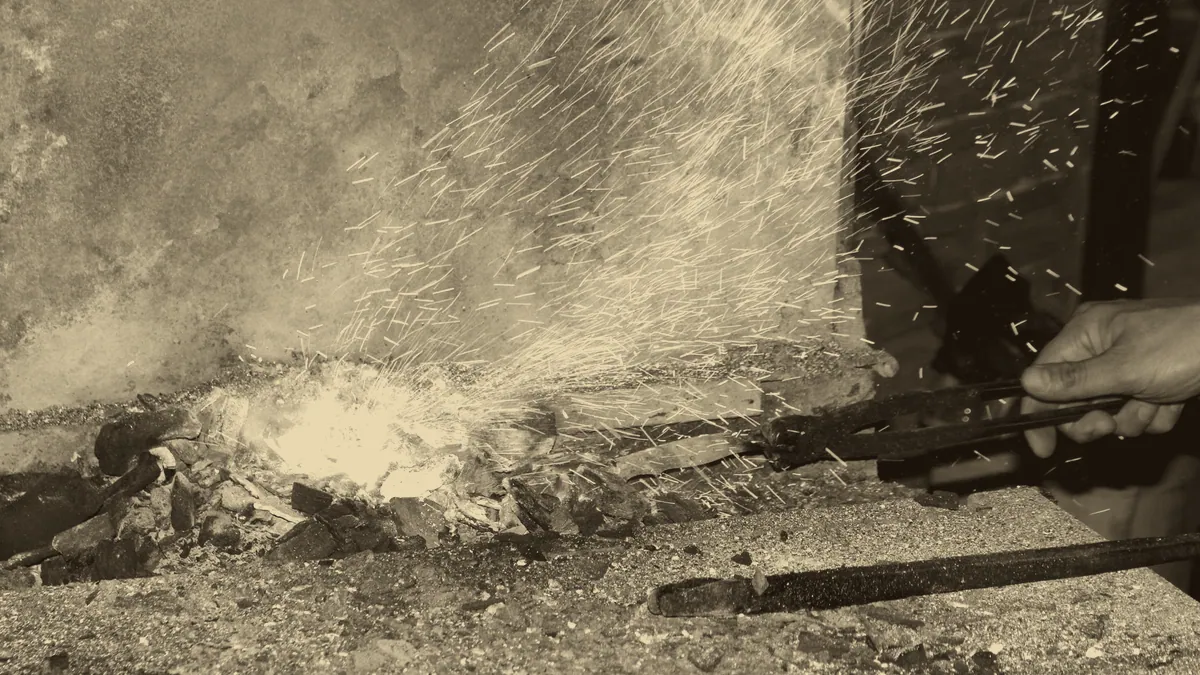
Lineage 2 recipes are learnable blueprints that let a Dwarf craft a specific weapon, armor piece or consumable by combining the listed materials, a set amount of adena for the crafting fee, and a chance of success.
Recipes are the heart of the game's player-run manufacturing, because only dwarves can learn and use them, and the items they produce supply a large share of the gear that everyone else buys. Understanding recipes is really about understanding who makes the gear in Lineage 2 and how that craft turns into income.
How recipes and crafting work
A recipe is an item in its own right. A Dwarf registers it into their crafting book, and from then on can attempt to make the finished product whenever they have the required materials and adena on hand. Each recipe lists exactly what it needs: a mix of common materials in quantity, one or two rarer key materials, and a fixed manufacturing fee. Crucially, many recipes are not guaranteed. They carry a success chance, and a failed craft consumes the materials without producing the item, which is why crafters price in that risk and why a high-value item made from a low-chance recipe carries a premium. Once made, the item is a normal piece of gear that can be worn, sold or traded like any other.
There is a clear split between materials and recipes on the market. You can own the recipe but lack the materials, or gather materials and lack the recipe, so both trade independently. A rare recipe for a desirable B-grade weapon can be worth as much as the weapon itself, because whoever holds it can supply the whole server.
The dwarf economy: who crafts and who spoils
Crafting in Lineage 2 belongs entirely to the Dwarf race, and the class tree divides the job into two complementary specialists. This is the engine that makes the player economy real rather than a vendor menu.
| Dwarf path | Base class | Awakened role | Economic job |
|---|---|---|---|
| Crafter | Artisan, then Warsmith | Maestro | Learns recipes and assembles gear and consumables |
| Gatherer | Scavenger, then Bounty Hunter | Fortune Seeker | Spoils monsters for the materials recipes need |
A Warsmith is the manufacturer: it holds the recipe book and turns materials into finished items, including the higher-grade gear that other players cannot make for themselves. A Bounty Hunter is the supplier, using Spoil and Sweep to harvest the raw materials that feed those recipes. Between them the two dwarf classes cover the full production chain, and many players level a dwarf purely as an economic character, a crafting and spoiling machine that funds their main.
Where recipes come from
Recipes enter the game through several channels, and their rarity tracks how they are obtained.
- Monster drops. Many recipes drop from mobs in zones appropriate to the item's grade, so higher-grade recipes come from tougher areas.
- Quests. Certain quest lines reward recipes directly, sometimes as the only reliable source for a given blueprint.
- Player trade. Once one exists on a server, recipes circulate through private stores and the broker, so you can simply buy the one you want if you can afford it.
- Raid and boss loot. The best recipes are tied to raid bosses and high-end content, which keeps them scarce and valuable.
Because supply is uneven, the recipe market is one of the more speculative corners of the economy. A newly discovered blueprint on a fresh Classic or Essence server can be extremely valuable until enough copies circulate to bring the price down.
Recipes as an income strategy
For a dwarf, recipes are a business plan. The reliable approach is to specialise: pick a grade band and a few high-demand items, secure the recipes, and become the go-to crafter for them on your server. There are two common models. In the first, you buy or spoil the materials yourself and sell finished gear at a markup that covers the crafting fee, the failure risk and your time. In the second, you offer a manufacturing service, where a customer brings their own materials and you craft the item for a set fee using your recipe, which removes your material cost entirely. The service model is popular for expensive items where nobody wants to hand over rare materials to a middleman. Either way, the recipe holder captures value simply by owning a blueprint others need.
Recipes across chronicles and servers
The recipe system has been a constant since the early days of Lineage, but the details shift by version. Older chronicles like Interlude and High Five lean heavily on the full dwarf crafting loop, making a good Warsmith genuinely central to a server's economy. Some later official branches and many private servers streamline or partly automate crafting, adjust success rates, or add convenience systems that reduce how much manual dwarf crafting matters, which changes how profitable recipes are. On mobile-flavoured and revolution-style spinoffs the classic recipe-and-material loop is often simplified into an upgrade or forge menu, so the dwarf-as-manufacturer identity is strongest on the traditional PC chronicles. Wherever you play, check how your server handles crafting before you invest in a dwarf, because a version that hands crafting to everyone removes the dwarf's economic edge.
Recipes only pay if the wider economy is healthy, so pair this knowledge with the rest of the picture. See How the Lineage 2 economy works for the full circuit, list your finished goods on The Lineage 2 marketplace and item prices, and price everything in the currency it all runs on, which is covered in Lineage 2 adena, explained. Crafting is one of the deepest ways the game rewards patient, specialised play, and it is part of the world of Aden floors where dwarves have quietly run the economy for two decades.