
Lineage 2 armor and sets
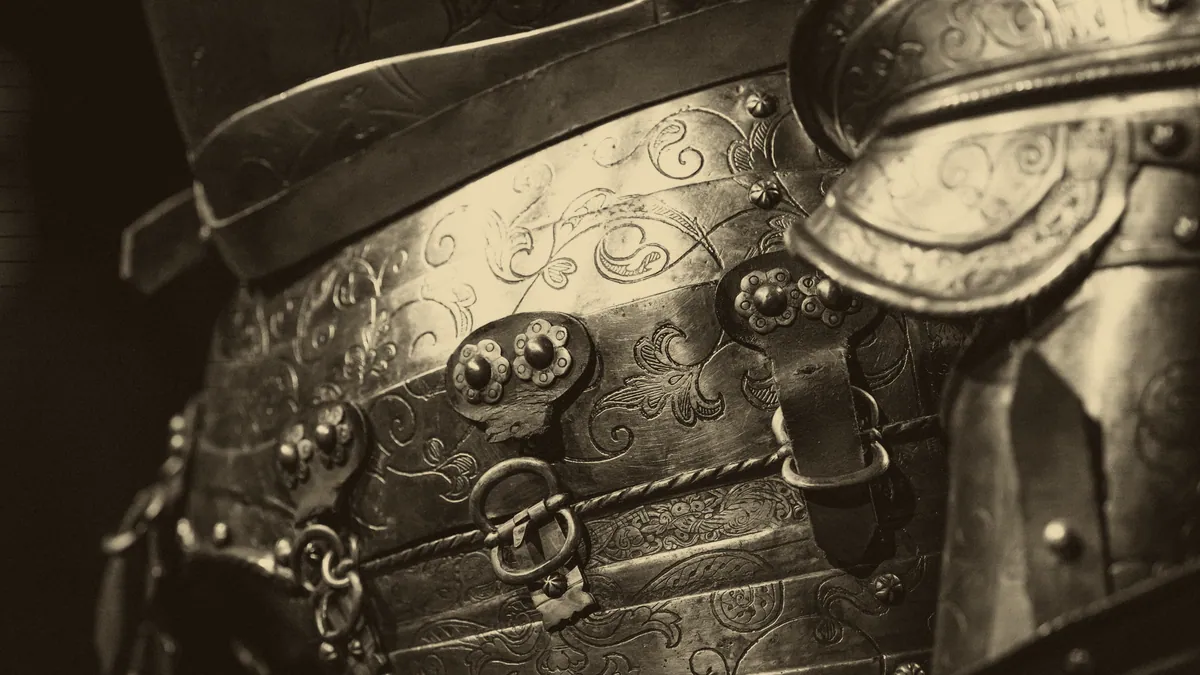
Lineage 2 armors are the defensive equipment your character wears, split into three families, heavy, light and robe, and organised by the same No-grade to S grade ladder as everything else in the game.
Which family you wear is decided by your class, which grade you can equip is decided by your level, and whether you complete a matched set decides whether you unlock a set bonus that is often worth more than the raw defence numbers. This page explains the families, the grade ladder, how set bonuses work, and how sets differ across chronicles; it sits beside the guides to Lineage 2 weapons and grades and the broader Lineage 2 gear: weapons, armor and items hub.
The three armor families
Armor comes in heavy, light and robe, and each family suits a different role. Heavy armor gives the highest physical defence and is worn by tanks and many melee fighters who can afford to move a little slower. Light armor trades some defence for evasion, attack speed and casting speed, which makes it the natural pick for archers and dagger classes such as the Hawkeye and the Treasure Hunter. Robe armor, also called magic armor, has the weakest physical defence but the best support for a caster's mana and casting, so Bishops, Spellhowlers and other robe classes wear it despite the fragility.
The choice is rarely optional. A caster in heavy armor loses casting performance, and a tank in robe is made of paper, so the intended path is to match your family to your class from the start and upgrade within it as you level.
Grades and how armor scales
Armor grades run No-grade, D, C, B, A and S, each with a level requirement and a clear jump in defence and set effects. The grade you wear matters more than the individual piece, and a full grade jump usually outweighs several character levels of survivability. As with weapons, the top of the ladder is where the named sets and the strongest bonuses live, and the exact ceiling depends on which version of Lineage you play.
| Grade | Level to equip | Example sets |
|---|---|---|
| No-grade | 1 | Wooden, Devotion, starter pieces |
| D | 20 | Mithril, Brigandine, Reinforced Leather |
| C | 40 | Plated Leather, Chain Mail, Composite |
| B | 52 | Avadon, Zubei's, Blue Wolf, Doom |
| A | 61 | Majestic, Nightmare, Tallum, Dark Crystal |
| S | 76 | Imperial Crusader, Draconic Leather, Major Arcana, Dynasty |
Names like Majestic, Draconic and Dynasty carry weight because those sets anchor the endgame, and each usually exists in a heavy, light and robe variant so every class family has a top-tier option. The female and male models differ in look, which is why appearance-conscious players keep a gallery or in-game viewer to compare sets before spending.
Set bonuses: the real reason to complete a set
A set bonus activates when you wear a full matched set of one type, and it is often the biggest reason to chase a specific armor rather than mix pieces. Bonuses vary by set and can add maximum HP, raise your critical rate, boost your defence against critical hits, cut casting or attack delay, or add resistances such as bleed, poison or stun. A B-grade set like Blue Wolf or Avadon delivers a bonus tuned to a role, and stepping up to an A-grade set such as Majestic or Tallum both raises the base defence and improves the bonus. Because of this, an incomplete high-grade set can perform worse than a complete lower-grade one, so finishing a set is usually the smarter buy.
Armor sets across chronicles
Which sets exist, and how they behave, changes with the chronicle, so the same class can gear very differently depending on where you play. On a Classic server the ladder is deliberately slow and the C and B-grade sets like Plated Leather and Avadon matter for a long stretch, making them a genuine mid-game goal rather than a footnote. On Interlude, the A-grade sets such as Majestic, Nightmare and Tallum are the classic endgame, and S-grade sets like Imperial Crusader and Draconic Leather sit at the very top for players who reach 76 and beyond. Essence, a more streamlined version of Lineage, restructures acquisition and adds its own progression sets, so an Essence armor set list will not line up cleanly with an Interlude one.
Later retail chronicles push past S-grade into Dynasty and further tiers with their own set effects, and blessed or exalted variants add another layer on some versions. The practical takeaway is to read set lists in the context of the chronicle they were written for, and to check your own server's database or viewer rather than assuming a set behaves the same everywhere. This variation is one of the clearest reasons players compare rulesets before committing time, which is a core theme when weighing up Lineage 2 private servers.
Enchanting and choosing your set
Armor is enchanted with Scrolls of Enchant Armor, and each success raises defence, though the payoff is steadier and less dramatic than the runaway curve on weapons. The safe threshold is usually +3, and beyond it a failure destroys the piece on retail-style rules unless you use a Blessed Scroll of Enchant Armor, which drops the plus instead. Because losing one piece breaks a whole set, most players enchant armor conservatively and save the gambling for weapons. When you choose a set, weigh three things together: the base defence of the grade, the set bonus, and how much it will cost to complete, since a finished B set beats a half-finished A set for most day-to-day play.