
Lineage 2 gear: weapons, armor and items
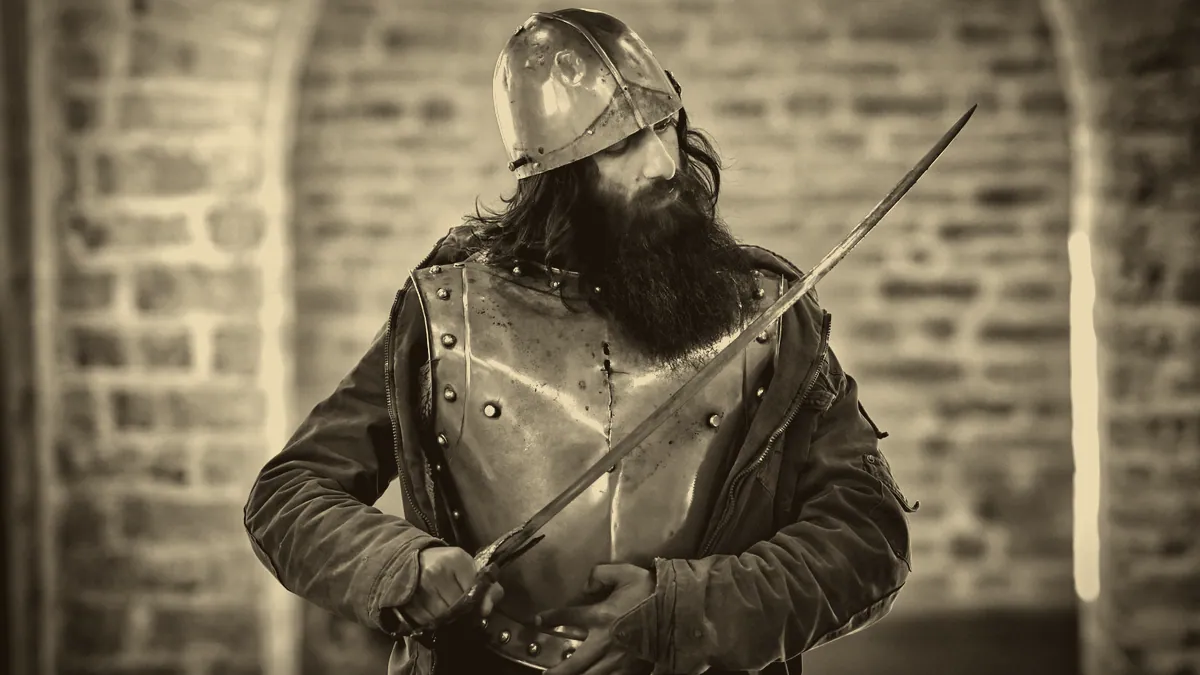
Lineage 2 weapons are the swords, blunts, bows, daggers, spears, fists and other arms your character equips to deal damage, and together with armor and jewellery they form the "gear" that decides how strong you actually are.
In Lineage 2 your class and level set your ceiling, but the grade of your equipment, how far you enchant it and which special abilities it carries usually matter more in practice than a few character levels. This page is the reference hub for the whole gear system: how the grade ladder works, what separates Lineage 2 weapons and grades from defensive kit, why enchanting is both the fastest and the riskiest way to gain power, and how the item economy feeds all of it.
How gear grades work in Lineage 2
Every piece of equipment in the game belongs to a grade, and grade is the single most important word to understand before you spend a coin. The ladder runs No-grade, then D, C, B, A and S, with later chronicles adding higher tiers on top. Each grade has a minimum level requirement to equip it, so the intended flow is that you climb levels and swap up the ladder at the same time. A weapon two grades above your current kit is a larger jump in output than almost anything else you can buy, which is why the whole item market is organised around these letters rather than around individual item names.
| Grade | Typical level range | Role in progression | Example gear |
|---|---|---|---|
| No-grade | 1 to 19 | Starter kit, cheap and disposable | Short sword, Wooden armor, apprentice pieces |
| D | 20 to 39 | First real upgrade after the newbie zones | Bone, Brigandine, D-grade weapon sets |
| C | 40 to 51 | Mid-game, first full set bonuses matter | Plated Leather, Composite, Chain sets |
| B | 52 to 60 | Serious PvE and early PvP kit | Avadon, Zubei, Blue Wolf sets |
| A | 61 to 75 | Endgame for many older servers | Majestic, Nightmare, Tallum, Dark Crystal |
| S | 76 and up | Top tier on classic-era servers | Imperial Crusader, Draconic Bow, Dynasty, Icarus |
Because so many players share the same reference points, when someone in Giran shouts that they are selling "A-grade" or asks the price of a "top B set" they are describing a whole rung of the ladder, not one item. The higher grades are also where the famous named gear lives: Dynasty and later Vesper on retail High Five, or the S-grade weapons and Dragon-line arms that anchor the endgame on many private setups. Which grades actually exist depends on the chronicle you are playing, since a Classic server, an Interlude server and an Essence server each cap the ladder differently.
Weapons: damage, weapon types and special abilities
Weapons are the offensive half of your gear and the part players obsess over most, because a weapon's patk or matk, its attack speed and its special ability shape your entire damage output. Lineage 2 uses distinct weapon types, and your class is built around one or two of them: a Phantom Ranger wants a bow, a Hawkeye wants the same, a Dark Avenger favours a sword or blunt with a shield, a Tyrant hits with fist weapons, a Spellhowler and a Bishop both want a caster staff for matk, and a dagger class such as a Treasure Hunter or Plains Walker lives on critical strikes from a dagger. Two-handed swords, polearms for area farming, dual swords, crossbows and the Kamael-only rapier and ancient sword round out the roster.
From C-grade upward, many weapons can carry a Soul Ability, added by inserting Soul Crystals during an item's special augmentation. These give effects such as extra bleed, mana drain, higher critical rate or a matk boost, and choosing the right ability for your class is a core part of Interlude and High Five theorycrafting. The full breakdown of grades, weapon types and soul crystals lives on the dedicated page for Lineage 2 weapons and grades.
Armor: light, heavy and robe
Armor is the defensive half of your gear, and Lineage 2 splits it into three families that reward completely different playstyles. Heavy armor gives the most physical defence and is worn by tanks and many melee fighters, light armor trades some defence for evasion, attack speed and casting speed and suits archers and dagger classes, and robe (also called magic armor) gives the least physical defence but the best mana pool and casting support, so it is the staple for Bishops, Spellhowlers and other robe casters. Wearing a full matched set of one type unlocks a set bonus, which is often a larger real upgrade than the raw defence numbers suggest.
Set bonuses can add HP, raise your critical rate, boost defence against critical hits, cut casting or attack delays, or add resistances, and they are why players chase complete sets rather than mixing pieces. Appearance matters to many players too, since the female and male models for sets like Majestic or Draconic look distinct, and a lot of the community keeps a gallery or in-game viewer just to compare looks. The full treatment of families, grades and set bonuses is on the page for Lineage 2 armor and sets.
Enchanting: the fastest and riskiest power gain
Enchanting raises an item's numbers using Scrolls of Enchant Weapon or Scrolls of Enchant Armor, and it is where a modest set becomes a monster or a fortune vanishes in one click. Each successful weapon enchant adds attack in a rising curve, so the jump from +3 to +4 is small but the jump from +15 to +16 is enormous, which is why high-plus weapons dominate PvP and command silly prices. The catch is risk: safe enchant is usually +3 for most gear, and once you push past the safe threshold a failed scroll destroys the item on retail-style servers, or drops or crystallises it depending on the ruleset. Blessed Scrolls of Enchant soften the penalty by returning the item to a lower plus instead of destroying it on failure, which is why they trade at a premium.
Success chance is fixed per attempt and does not "build up", so no amount of past failures makes the next scroll more likely, a point every enchant calculator exists to remind people of. Because the maths is unforgiving, most players enchant to a safe or lightly-boosted level for everyday use and only gamble for the extreme plus values on gear they can afford to lose. Enchant behaviour is one of the most version-dependent parts of the game, so always check your chronicle's exact rules before you burn scrolls.
Soul shots, spirit shots and consumables
Gear is only half the story, because Lineage 2 expects you to feed your weapon consumables on every attack. Soulshots multiply the damage of physical hits and Spiritshots (and Blessed Spiritshots) do the same for magic, with each shot graded to match your weapon, so a fighter running the right-grade soulshots hits far harder than the same character swinging dry. These are bought or crafted in bulk and burned constantly, which is why shot cost is a real part of your daily budget. Alongside shots you carry Soul Crystals for adding abilities, life stones for augmentation, and stacks of healing and mana potions for anything harder than trash mobs.
The item economy: buying, spoiling and trading
Almost everything above is bought, sold and farmed through a player economy that runs on adena, the game's currency. New and returning players looking for items for sale usually start at the Giran market, where private stores line the streets and the shout channel is a live price feed; there is no shame in buying a ready-made C or B set there rather than grinding every piece. On the supply side, the Spoil skill used by Dwarven Scavengers and Bounty Hunters cracks extra materials out of monsters, feeding the crafting economy that makes shots, weapons and armor in the first place, and knowing what a mob yields is its own reference discipline covered in The Lineage 2 spoil list.
Two practical warnings close the loop. First, gear rarely moves between servers, so do not assume you can transfer a hard-won A set from one place to another; a character transfer, where offered, is an operator feature with its own limits. Second, always confirm the chronicle before you plan a build, because a database or item viewer built for Interlude will list Dynasty and S-grade differently from a Classic or Essence database, and the grade ceilings, enchant rules and available sets shift with every version of Lineage.