
Lineage 2 weapons and grades
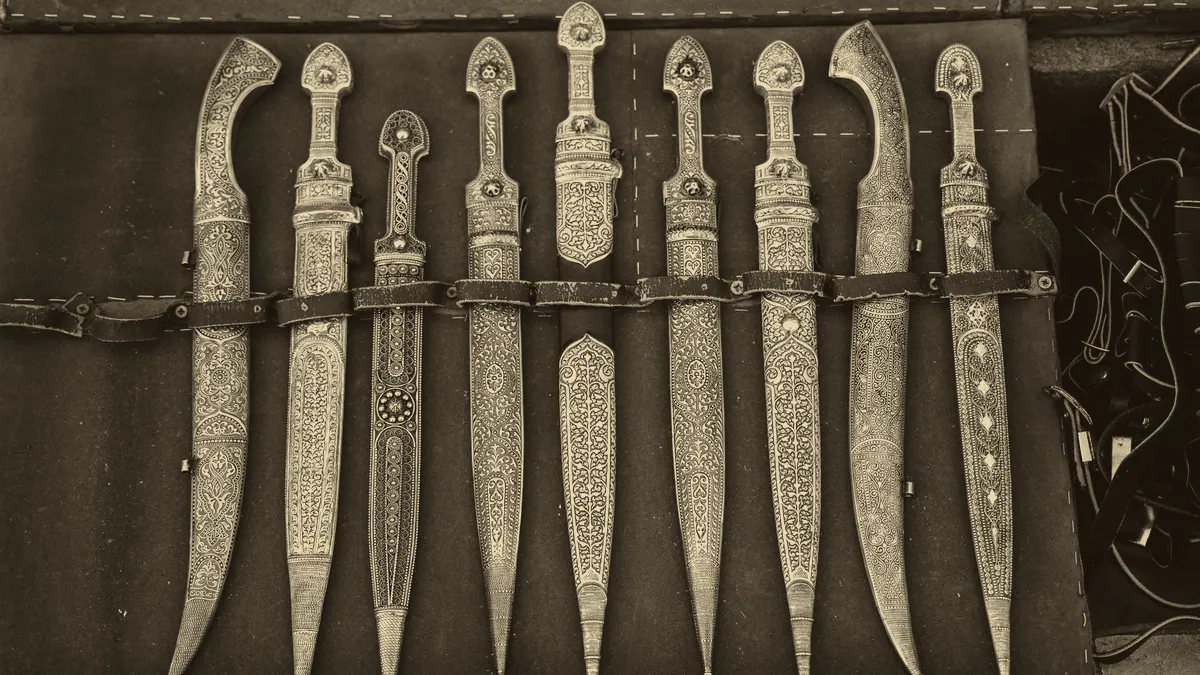
Lineage 2 weapons are graded arms, from swords and blunts to bows, daggers, spears, fists, staves and the Kamael-only rapier and ancient sword, and the grade you can equip is tied to your level while the type you want is tied to your class.
Picking the right weapon is the biggest single decision behind your damage, and this page covers how the grade ladder works, which weapons matter at each tier, how special abilities and soul crystals change them, and how enchanting pushes their numbers up. It sits under the wider guide to Lineage 2 gear: weapons, armor and items, alongside the companion reference for Lineage 2 armor and sets.
Weapon grades, from No-grade to S
Weapon grades are the letters that gate every weapon in the game, and they run No-grade, D, C, B, A and S, with each step carrying a minimum level to equip and a large jump in attack. Moving up a grade is almost always a bigger damage gain than several character levels, so the whole progression is really a series of grade swaps timed to hit the level requirement. The exact ceiling depends on your chronicle: an Interlude or Classic server tops out around S-grade, while later versions of Lineage extend the ladder with Dynasty, Vesper and beyond.
| Grade | Level to equip | Notable weapons |
|---|---|---|
| No-grade | 1 | Short Sword, Willow Staff, starter bows |
| D | 20 | Sword of Revolution, Cedar Staff, Bow of Peril |
| C | 40 | Samurai Longsword, Crystal Dagger, Homunkulus Sword |
| B | 52 | Sword of Delusion, Deadman's Glory, Kris |
| A | 61 | Sword of Miracles, Dark Legion's Edge, Bow of Peril's A successors |
| S | 76 | Dark Legion, Draconic Bow, Angel Slayer, Dynasty line |
The famous names cluster at the top. The Draconic Bow is the archetypal endgame archer weapon, the Angel Slayer is a prized S-grade dagger, and the whole Dragon and Dynasty tier is what players grind toward on classic-era servers. Because these are the items that survive years of enchanting, they hold value on the exchange long after cheaper gear has been crystallised.
Weapon types and which class wants which
Weapon type decides whether a weapon is even useful to you, because each class is built around specific arms. A weapon that is superb for one class can be dead weight for another, so read your class first and the item second.
- Sword and blunt, one-handed: paired with a shield for tanks like the Dark Avenger and hybrid fighters.
- Two-handed sword and polearm: raw damage and area farming; polearms let melee classes hit several mobs at once.
- Dagger: critical-strike weapons for Treasure Hunters, Plains Walkers and Abyss Walkers.
- Bow and crossbow: the core of archer classes such as the Hawkeye, Silver Ranger and Phantom Ranger.
- Fist weapons: the signature of the Tyrant and other close-range brawlers.
- Staff and caster arms: matk weapons for Spellhowlers, Bishops and other robe casters.
- Rapier and ancient sword: exclusive to the Kamael race and their unique classes.
Appearance follows type too, and many players keep a gallery or in-game viewer just to compare weapon models before committing adena, since a glowing S-grade blade is as much a status symbol as a stat block.
Special abilities and soul crystals
From C-grade upward, a weapon can gain a Soul Ability by absorbing Soul Crystals during special augmentation, turning a plain blade into a build-defining tool. The effect depends on the weapon and the crystal grade, and common results include extra bleed or poison, mana drain to sustain casters, higher critical rate for daggers, or a matk boost for a mage's staff. Choosing the ability that matches your class and role, rather than the flashiest one, is a core piece of Interlude and Classic theorycrafting.
Separately, life stone augmentation can bolt an active or passive skill onto a weapon, adding anything from a small stat passive to a usable buff. Both systems reward planning, because a well-chosen ability on a modest weapon often beats a raw upgrade with the wrong effect.
Enchanting weapons and reading the odds
Enchanting a weapon with a Scroll of Enchant Weapon raises its attack on a rising curve, so every plus is worth more than the last and high-enchant weapons dominate PvP. The safe threshold is usually +3, and beyond it a failed scroll destroys the weapon on retail-style rules, or drops it to a lower plus if you used a Blessed Scroll of Enchant, which is exactly why blessed scrolls trade at a premium. Success chance is a fixed number per attempt and does not rise after failures, so any enchant calculator is really there to stop players from chasing losses.
Treat the calculator as an expected-cost tool, not a lucky charm: it tells you how many scrolls a target plus is likely to cost, and that number is often sobering. Most players enchant everyday weapons to a safe level and only gamble for extreme values on arms they can afford to lose, and since enchant rules are heavily version-dependent, confirm your chronicle before spending scrolls. When you are ready to look beyond raw damage, the same care applies to the crest that marks your clan; see the guide to Making a Lineage 2 clan crest. And because weapons are only as good as your supply chain, knowing what monsters yield through The Lineage 2 spoil list keeps your crafting and shot budget healthy.